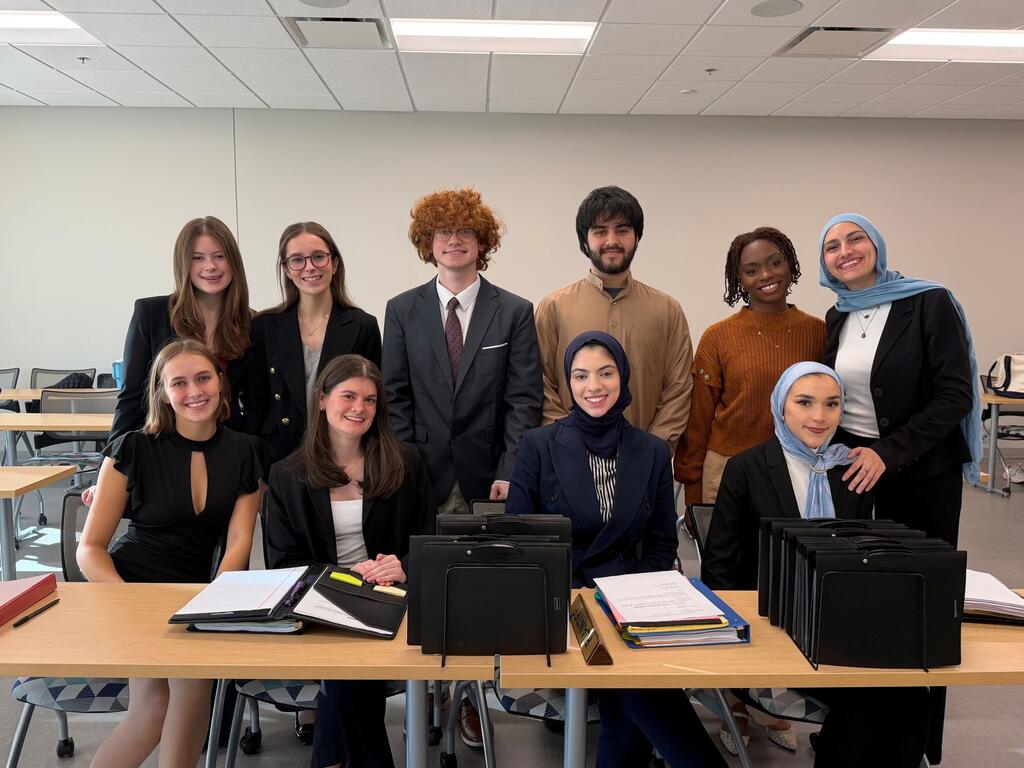
The Rhodes College mock trial season has begun, and two teams finished in first and second place after competing in the Boro Brawl invitational tournament Oct. 17-18 hosted by Middle Tennessee State University. The 2026-2027 academic year marks the 40th anniversary of mock trial at Rhodes.
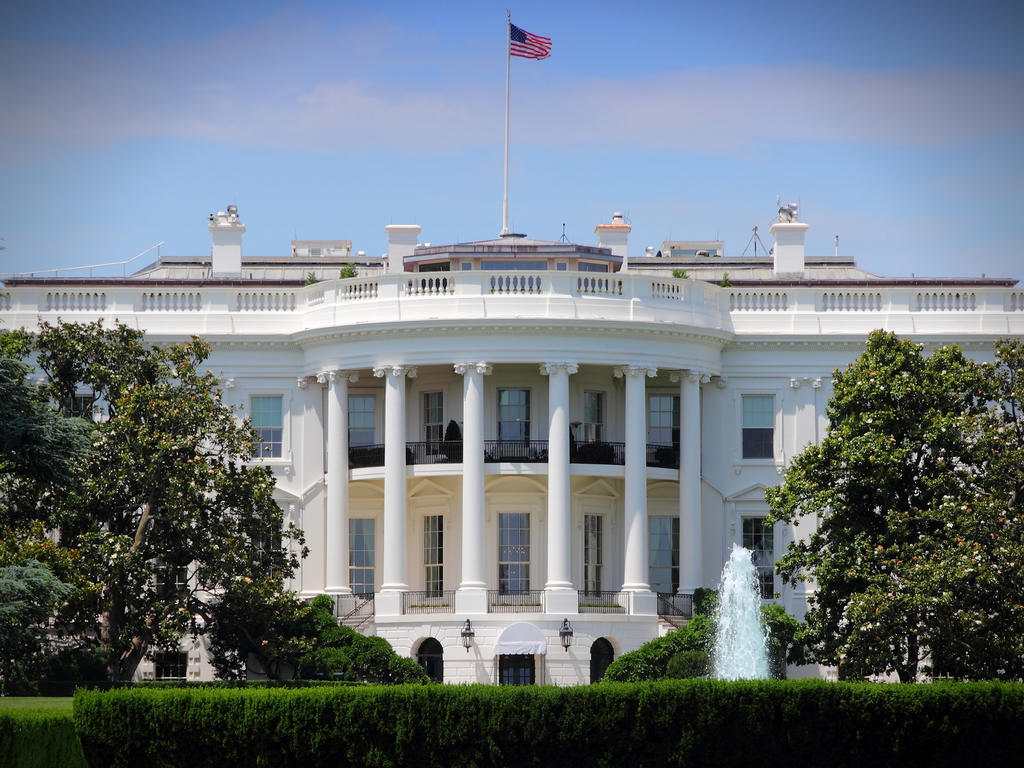
Ryan Reardon ’94 Receives Presidential Award for Excellence in Science Teaching
Ryan Reardon, a 1994 Rhodes biology alumnus, has been awarded the Presidential Award for Excellence in Mathematics and Science Teaching.
August 24, 2016
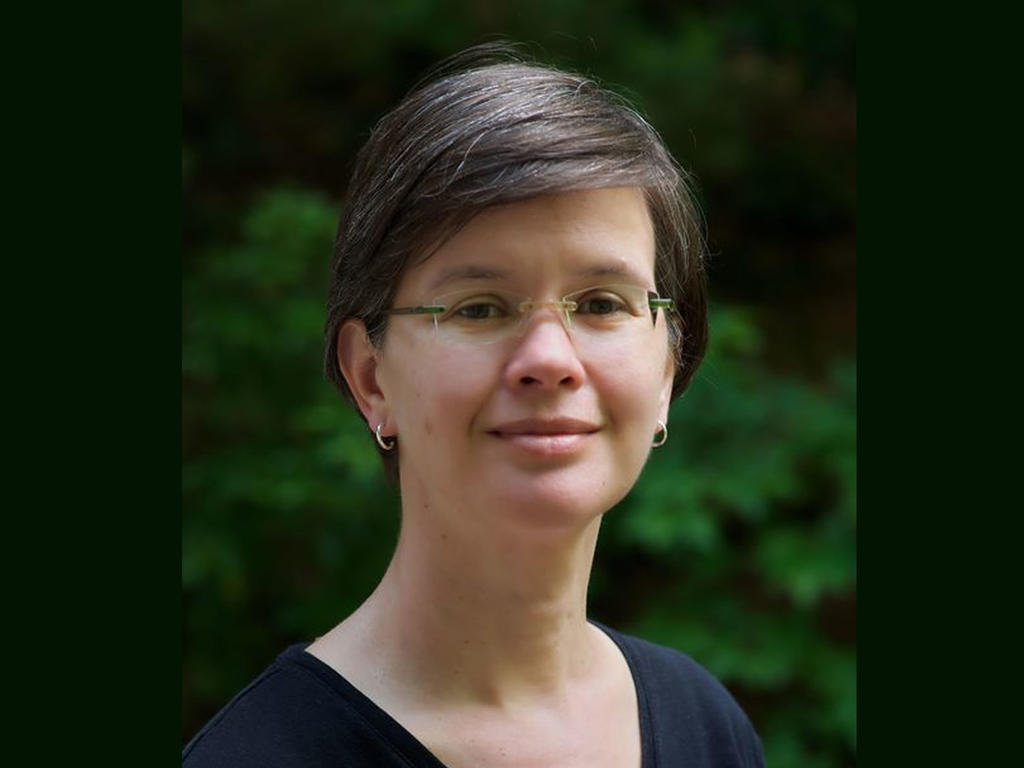
Faculty Expertise: Health Providers Need Greater Empathy for Disadvantaged, Says Prof. Hotz
America has great doctors, hospitals and medical research facilities, but not everyone benefits equally, according to Dr. Kendra G. Hotz.
August 23, 2016
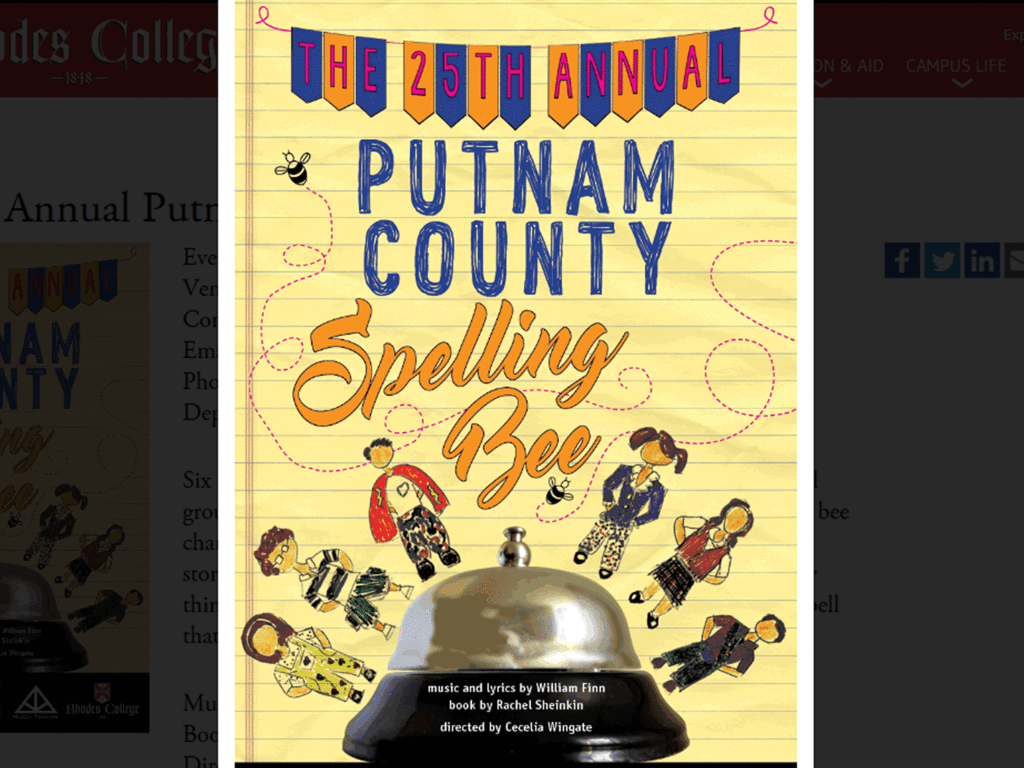
McCoy Theatre Takes Home Local Award for Best Musical Production in College Division
McCoy Theatre’s production of “The 25th Annual Putnam County Spelling Bee” won an Ostrander for Best Musical Production in the college division plus five other awards.
August 22, 2016

Russian Studies Announces Fulbright Teaching Assistant for 2016-2017
This is the 11th consecutive year the Russian Studies program has been awarded a Fulbright Foreign Language Teaching Assistant (FLTA).
August 22, 2016
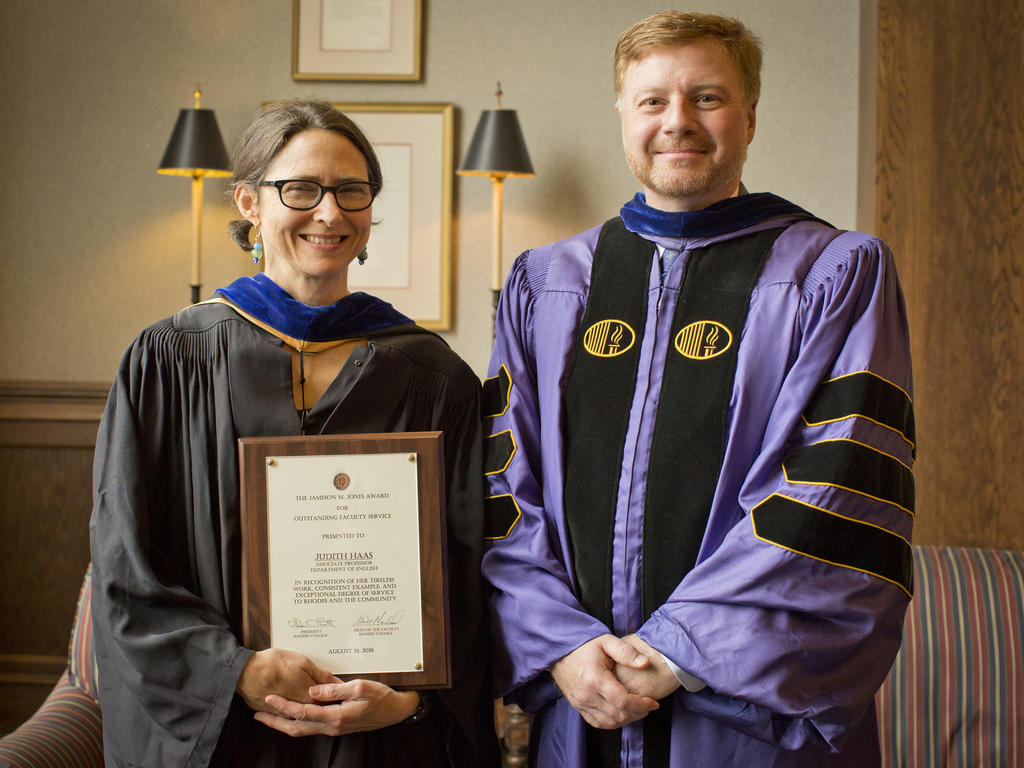
Prof. Judith Haas Receives Jameson M. Jones Award for Outstanding Faculty Service
Dr. Judith Haas, associate professor of English at Rhodes College, was presented the 2016 Jameson M. Jones Award for Outstanding Faculty Service.
August 22, 2016
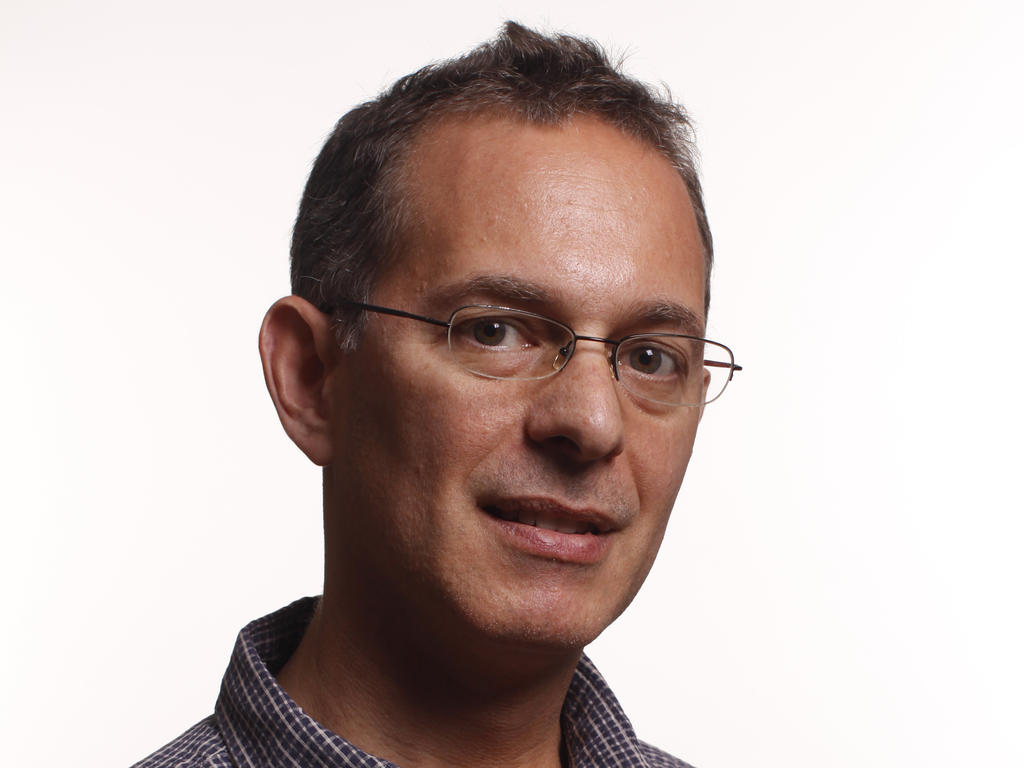
Prof. Victor Coonin's Definitive Book Cited in NYT Magazine Article on Michelangelo’s David
Prof. Victor Coonin of the Department of Art and Art History is mentioned in an article about Michelangelo’s David in The New York Times Magazine.
August 17, 2016
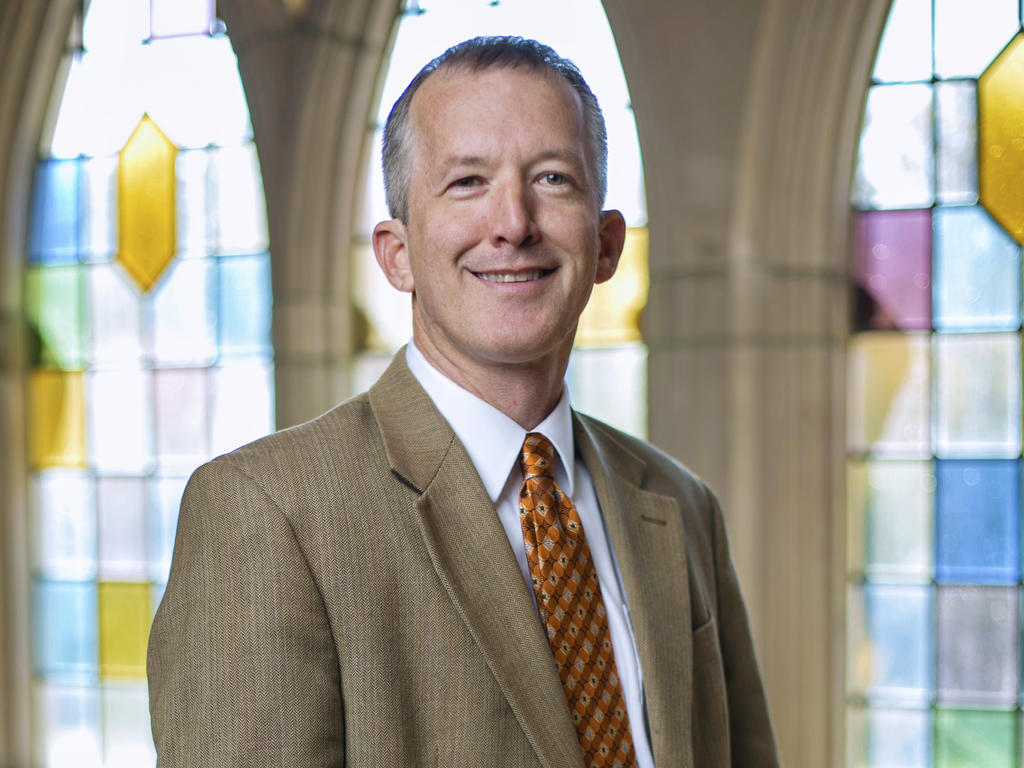
Faculty Expertise: Prof. Huebner Publishes Book on Civil War Era
Prof. Tim Huebner has published a new book, Liberty and Union: The Civil War Era and American Constitutionalism.
August 17, 2016
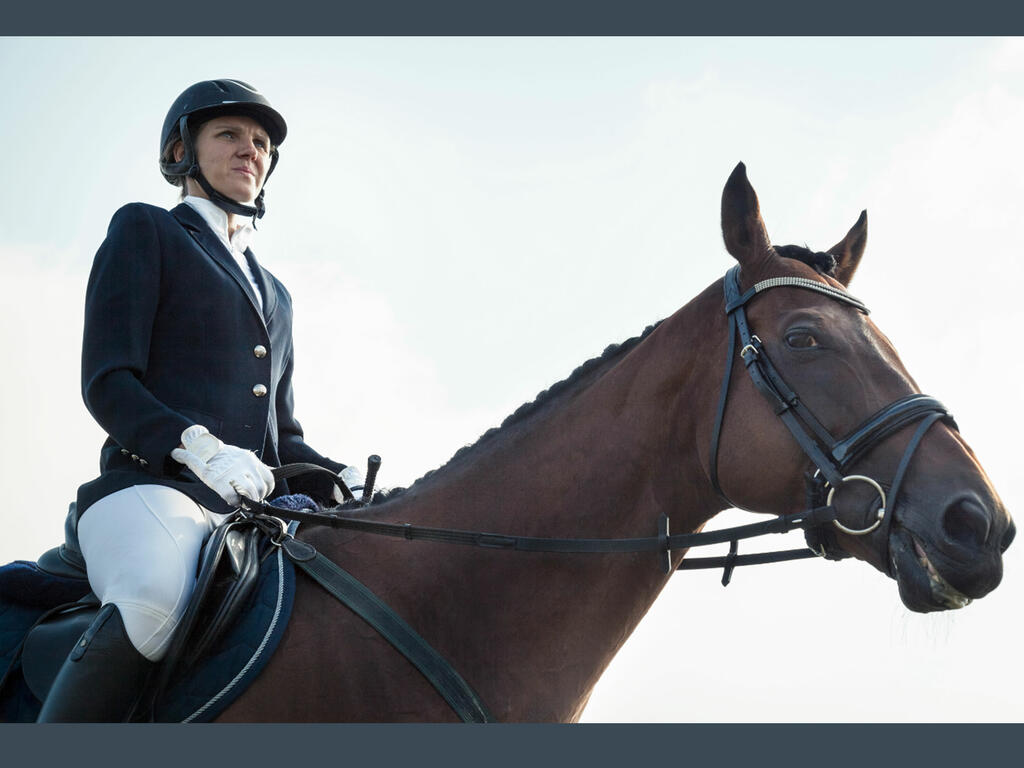
Rhodes Alumna Gives Olympic Equestrian Commentary
In 1984, Rhodes alumna Melanie Smith Taylor ’71 won an Olympic gold medal.
August 17, 2016

Prof. Kazi to Participate In Interfaith Dialogue on the Children of Abraham
Prof. Yasir Kazi of the Department of Religious Studies will be among panelists discussing “The Children of Abraham: An Interfaith Dialogue.”
August 17, 2016

Prof. Nelson Writes How Sam Phillips Helped to Change Memphis
Rhodes Professor Michael Nelson recently published an article about music producer and businessman Sam Phillips on the Claremont Review of Books website.
August 16, 2016